How to create premium inoculants like BONSILAGE

The application of silage inoculants requires a lot of research as well as official approvals in advance. A wide variety of lactic acid bacteria (LAB) strains are being tested in order to explore new effects and uncover synergies.

The whole silage inoculant development research is done in-house. Our affiliated plant LACTOSAN holds a broad collection of LAB strains. Together with our research facility, they are selecting the optimal strains for various crop types or dry matter ranges. The collaboration with external laboratories and research institutions help to maintain highest quality standards and the silage additive’s effectiveness.

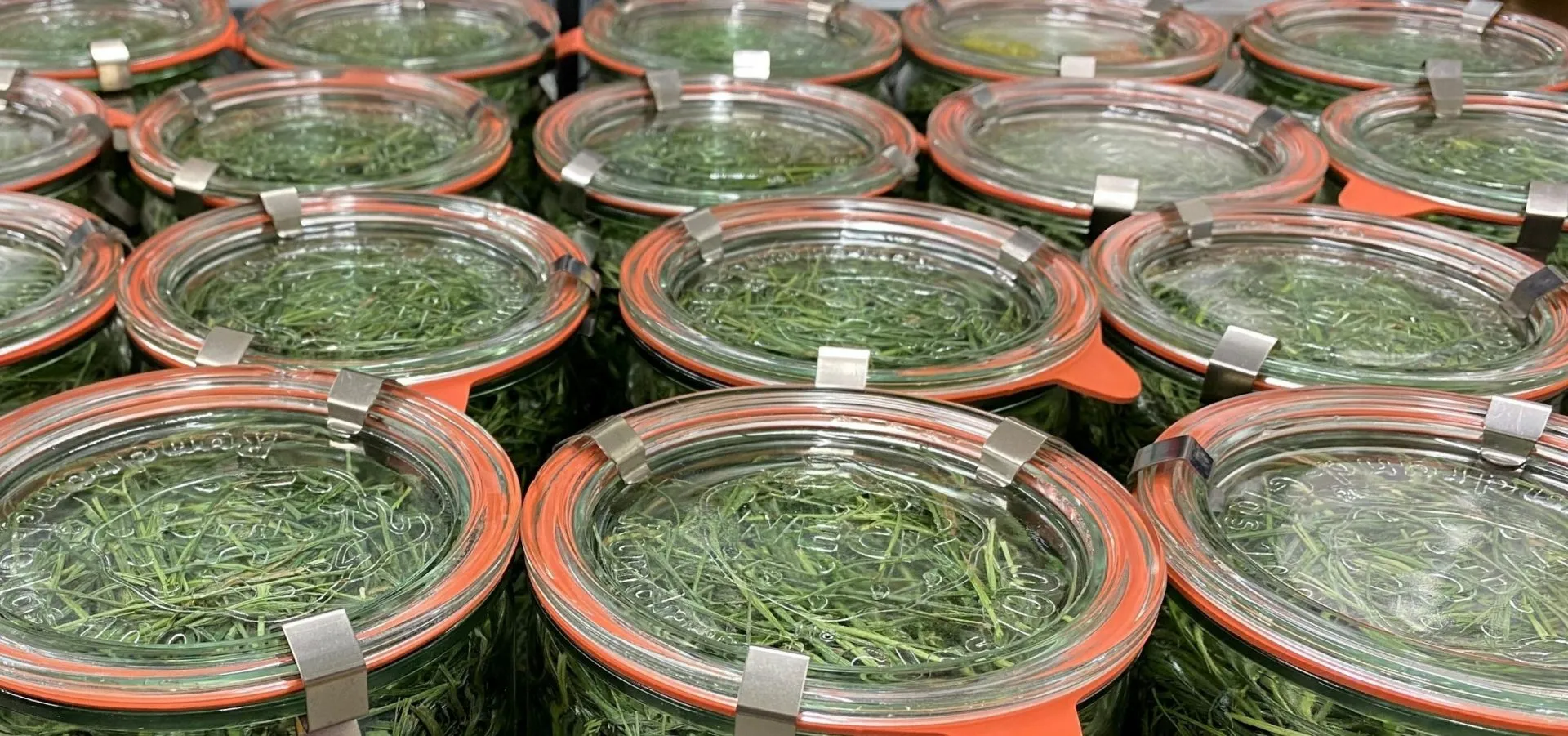
Other important factors of the silage inoculant development are tested in small-scale trials at our research department, also contribute to the correct use of the silage additives, such as:

  • the opening times of the piles
  • different strain combinations ot
  • the chopping lengths of the respective cuts.
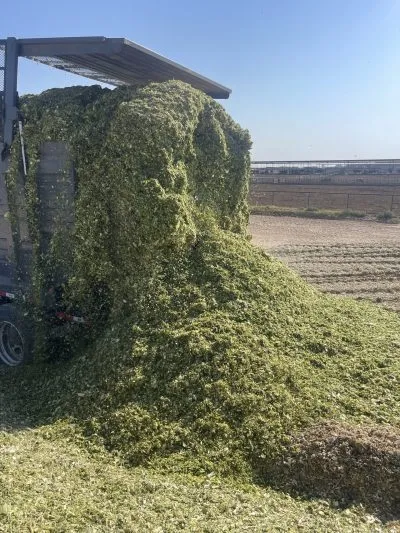
In addition, we have a short timelapse video to show the process of small-scale ensiling trials at Gut Huelsenberg:


You can read the whole process of creating an inoculant in our latest article at HOARD’s DAIRYMAN by clicking HERE.

If you would like to learn more about silage inoculant development or inoculants in general, schedule a conversation with one of our silage experts today HERE. 

Read also

Bonsilage Speed C

Speeding to Faster Aerobic Stability

BONSILAGE® SPEED C. It’s fast. And on the dairy farm, the extra flexibility offered by faster silage can make all the difference.

Read more

Exciting new opportunity on the BONSILAGE team!

We are hiring! Apply Now: West Coast Sales Rep.

Read more

Impact of the droughts across the US

The current droughts across the United States have a huge impact on the agriculture. Many areas of the United States continue to fight drought conditions. Moreover, they have an effect on forage availability and quality. Read about managing your silage under such difficult conditions.  

Read more