ISC 2025: Microbiome Analysis Shows What Really Happens Inside Your Silage
Microbiome analysis reveals what really happens inside your silage microbial community. As mentioned in our previous blog article about ISC 2025, bonsilage contributed 11 posters and 8 more in collaboration with university partners. Together, they highlighted the importance of science-driven solutions for silage fermentation and feed preservation. Read more now!
Silage research is entering a new era
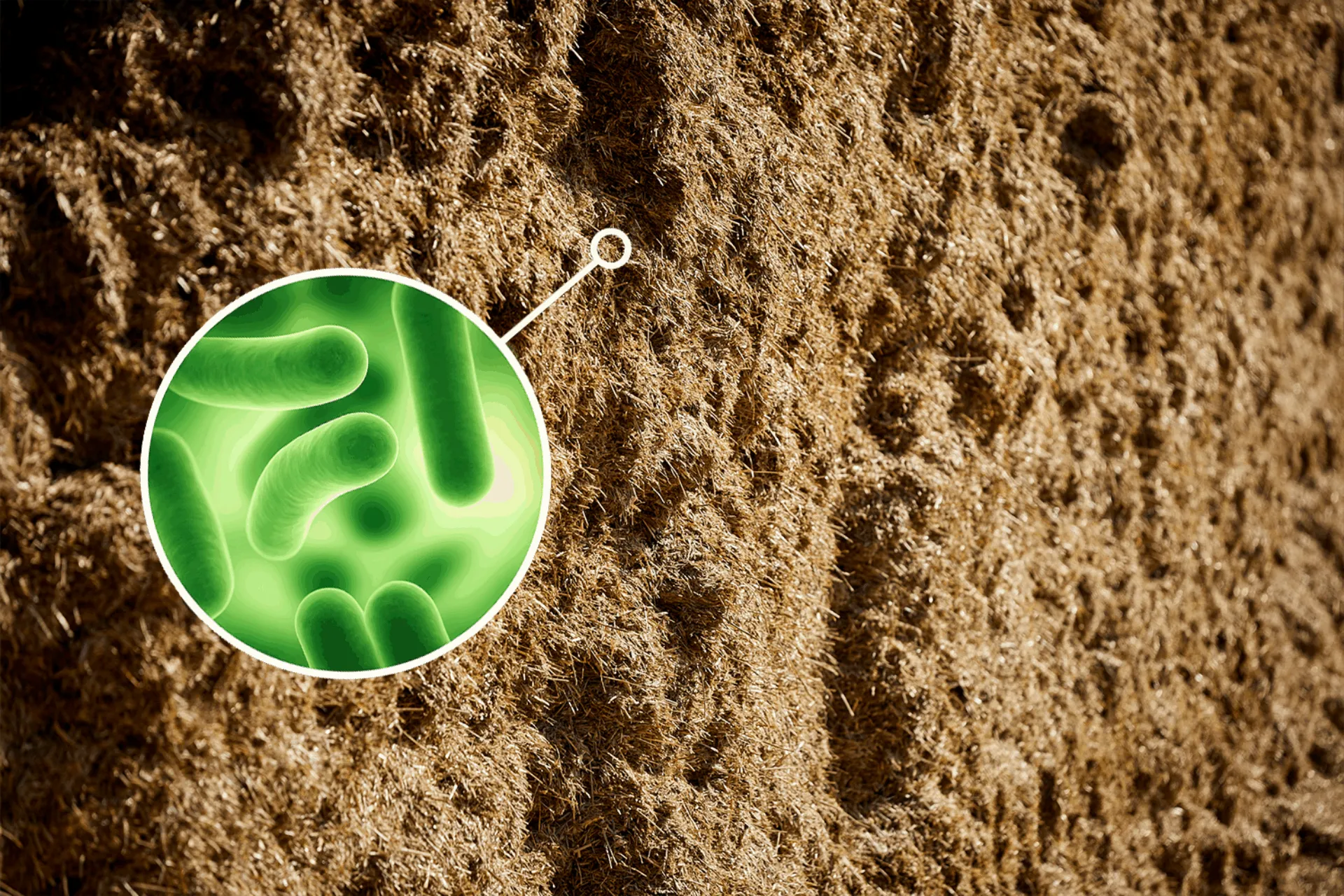
What truly sets this year’s research apart is the use of advanced microbiome analysis. For the first time, scientists are able to look directly into the genetic makeup of the silage microbial community with such resolution. Thus, in this third part of our ISC series, we show how microbial communities respond when silage inoculants are applied.
The Power of Microbial Inoculants
Have a Look Inside Your Silage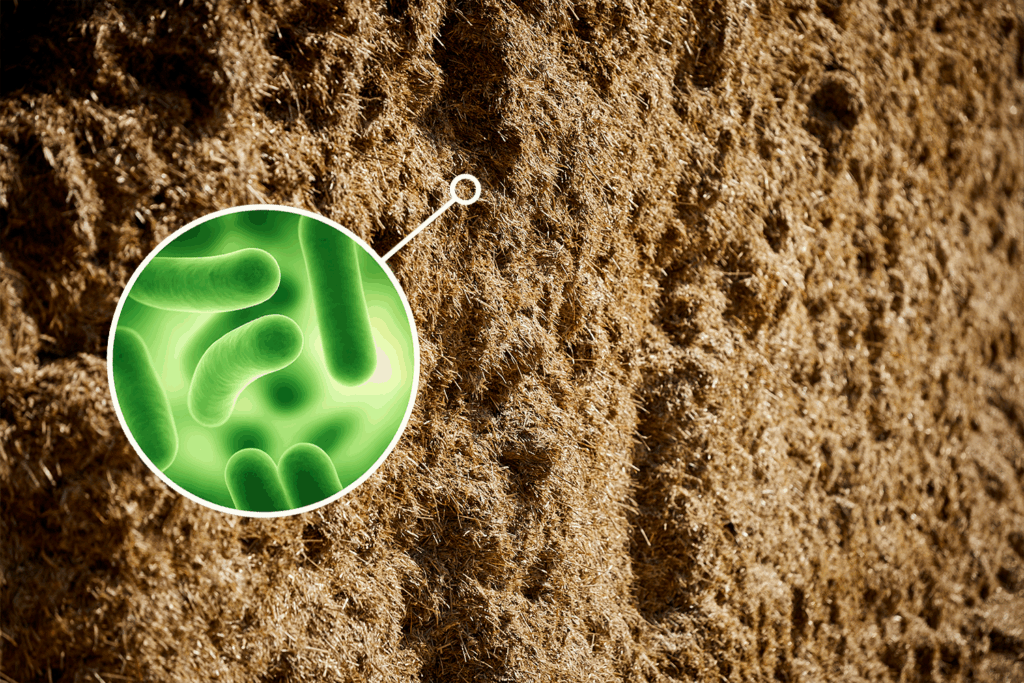
Every year, when silage season approaches, producers across the US are seeking every advantage to ensure high-quality and stable feed for their herds.
The microbiome analysis allows us to observe, with unprecedented precision, how microbial communities in the silage are affected by using silage inoculants. It’s about understanding the actual microbial players at work, showcasing how bonsilage inoculants can tip the balance toward an efficient and stable fermentation. Instead of relying solely on indirect indicators, microbiome analysis can reveal exactly which bacteria and fungi are present, how their populations change over time, and how specific inoculants influence these dynamics. This breakthrough provides a much clearer picture of what happens inside your silage.
Microbiome Analysis: A Game Changer for Silage Research
Traditional silage evaluation has relied on sensory checks and fermentation patterns. While these methods are useful, they only provide indirect evidence about the microbial community inside the silo.
This means we can finally answer questions like:
- Which bacteria dominate after inoculation?
- How quickly do beneficial microbes take over?
- What happens to spoilage organisms under different conditions?
Three New Microbiome-Based Studies Reveal What Happens When You Use Silage Inoculants
In the first study, researchers used bacterial gene sequencing to analyze triticale silage treated with a homolactic inoculant, bonsilage FORTE (Lactobacillus plantarum, Pediococcus acidilactici, Lactococcus lactis), at low and high dry matter. The results were striking, microbiome data showed that inoculated silages were rapidly dominated by the beneficial LAB strains, while untreated silages had a much more diverse – and less desirable – microbial community, including spoilage bacteria like Enterobacteriaceae.
Key insight: Microbiome analysis confirms that the beneficial bacteria from the inoculant outcompete undesirable microbes, leading to more stable and predictable fermentation.
Alfalfa is notoriously difficult to ensile, but gene sequencing revealed that an inoculant containing homolactic and heterolactic LAB (bonsilage ALFA – L. buchneri, L. plantarum, L. brevis) could rapidly and reliably shift the microbial community of alfalfa silage and overcome the fermentation challenge. Within just two days, the data showed that the beneficial strains from the inoculant had taken over, while untreated silages remained dominated by less desirable Weissella species.
Rapid pH drop is more than just a number – it’s crucial for protecting valuable protein. By quickly acidifying the silage, the inoculant suppresses spoilage microbes like enterobacteria and clostridia, which are responsible for protein breakdown. The result: less proteolysis, more preserved protein, and ultimately, savings on supplemental protein in the ration.
Key insight: The ability to track bacterial community changes at the genetic level means we can now see exactly how quickly and thoroughly inoculants work, providing confidence that the right inoculant can make all the difference.
The third study tackled real-world challenges: air exposure and low packing density. Microbiome analysis showed that even under stressful conditions, inoculated silages were dominated by beneficial Lactiplantibacillus species. However, severe air stress still allowed spoilage fungi like Monascus to become dominant, highlighting the importance of good management alongside inoculant use.
Key insight: Gene sequencing not only demonstrates the effectiveness of inoculants but also reveals how fungal communities shift under stress.
What Does This Mean for US Silage Producers?
These studies reinforce a simple message: Microbial inoculants are a powerful tool for improving silage quality, and microbiome analysis now gives us the proof at the genetic level. We can observe how inoculants shape the microbiome, suppressing spoilage organisms and promoting more stable fermentation.
But remember: inoculants work best when paired with good silage management – tight packing and minimizing air exposure are still essential.
Want to Learn More?
If you’d like support in selecting the right bonsilage inoculant for your forage and conditions, our team is ready to help. Click HERE!