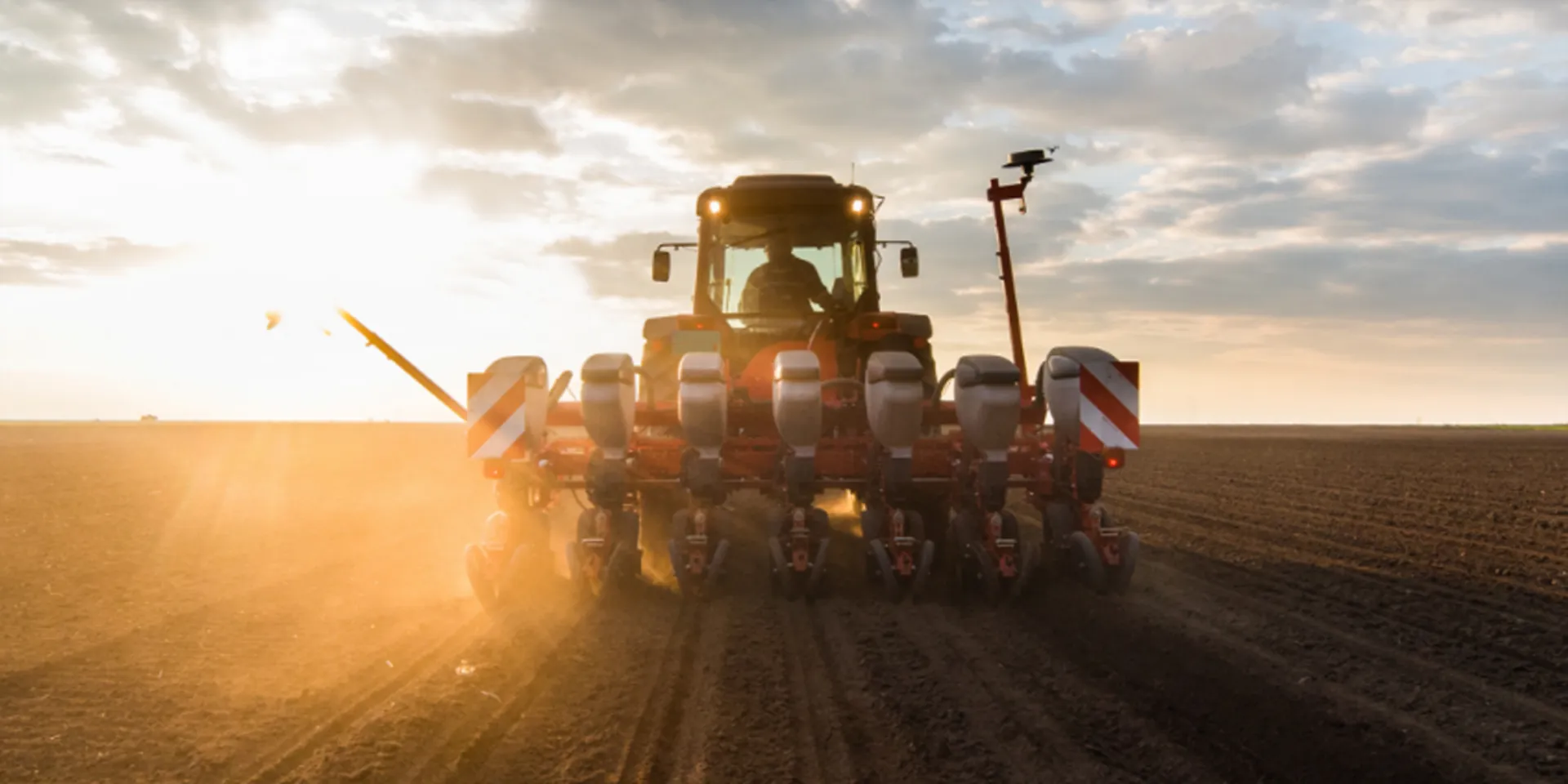
Nothing kicks spring off like the smell of fresh fertilizer in the fields. It’s not your first task of the new season, but it’s the first essential reason to be out in the fields. Dragging that applicator along the rows is a signal that planting season is next, and that’s a beautiful thing. But now that your fertilizer is applied, what’s next?
Here are a few things to tackle before planting:
Select Crops to Complete Your Forage Inventory
Managing your forage inventory ensures that you have the right amounts of the correct silages available for the entire season. When taking inventory and selecting crops to fill it, consider which is more important:
- Yield.
If your inventory is tight, choose a crop that typically produces good yields.
- Quality.
If inventory looks good and stable, you can focus on forage quality. That will make your animals more productive.
For spring planting, small grain silages like wheat, triticale, sorghum, sorghum-sudangrass), and alfalfa are great options, depending on your region.
Consider Your Field Rotations
Now is the time to consider efficient field rotations for your corn and other forages. You probably already have a rotation plan in place, but if you don’t, pre-spring planting is the perfect time. A diverse, more long-term rotation plan can build soil health and contribute to microbial diversity, while shorter rotations for crops like alfalfa can produce more immediate yields and greater profit-per-acre.
Look into Good Seeding and Cultural Practices
There’s no blanket “right” answer for this item, but depending on your region, climate and pest forecast, consult with an agronomist to consider best practices for nitrogen application, herbicides and fungicides on your specific operation. Your BONSILAGE Silage Expert can help!
Secure Your BONSILAGE!
Whatever your forage and silage need, BONSILAGE offers a product that will help preserve the nutrients from your fields while providing premium forage, that meets the health and nutritional needs of livestock. Happy, healthy cows are productive cows, and that’s our ultimate goal.
If you have any questions about anything we’ve discussed here or on your farm, contact your BONSILAGE rep or visit BONSILAGEUSA.com to schedule a chat with a Silage Expert.