Now that the 2025 harvest season has drawn to a close, it’s time to reflect. One of the best things about harvest is that, whether it was a near-perfect crop or a season of difficulty, there is always something to learn. So what did we learn from the 2025 corn harvest?
Scouting Stressed Fields Requires Data
Our major takeaway from this season is that proper scouting matters and that a data-driven approach is vital when analyzing stressed fields.
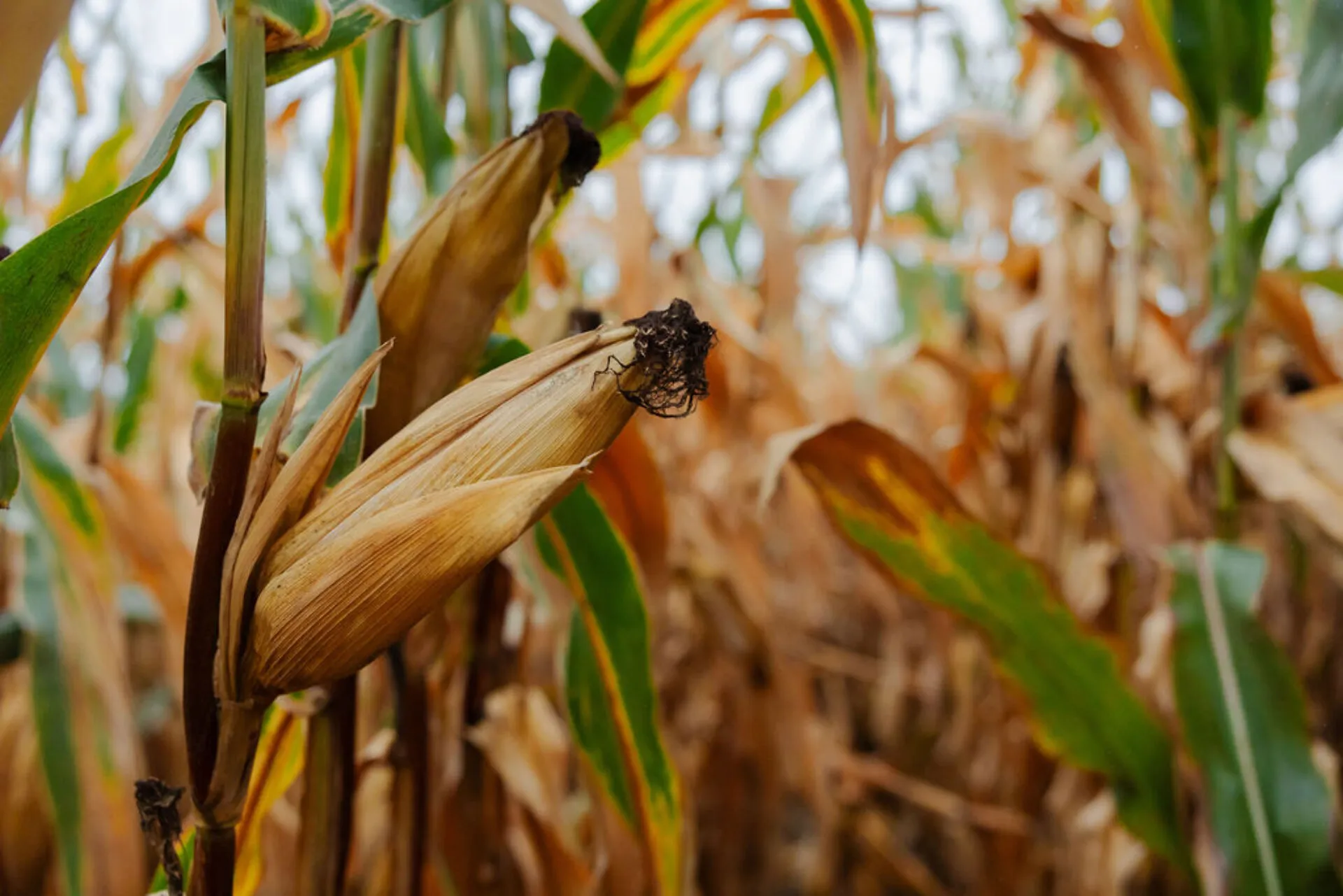
While stressed corn certainly matures differently from non-stressed corn, there are other factors at play. Stressed corn behaves very differently when it comes to the dry-down period, and that can impact scouting. In 2025, we learned that traditional methods to scout corn fields, like relative maturity, growing degree days, and kernel milk line, were not sufficient to determine the best time to harvest, which caused many farmers to harvest at the corn at non-ideal conditions when it comes to silage fermentation.
We conclude that it’s important to take a data-driven approach to scout corn for harvest, especially in stressed fields. Here are a few tips to improve your chances of harvesting your corn at the ideal maturity:
- Use all the data available (hybrid genetics, relative maturity, growing degrees days, etc.) to decide your harvest window
- Combine it with field information, like fertility and past years’ outcomes
- Most importantly, collect plant samples from fields and test them for dry matter
- Start harvesting the more mature fields and progress to the less mature fields
- Count on your bonsilage expert to help you get the best out of your corn silage
If you’d like to know more about applying a data-driven approach to your corn scouting, our silage experts are more than willing to help! Schedule a time to chat here.